

Scotland's Garden Route Through Galloway
The route links a cluster of temperate, often subtropical gardens on the Solway Firth and the Rhins of Galloway. Visitors encounter a rare Gulf Stream–influenced climate, long-established plant collections, restored walled kitchen gardens and designed landscapes that combine formal terraces, lochs and woodlands. Practical travel times range from short day trips around Stranraer and Castle Douglas to multi-day loops that include coastal drives and inland estates.
Overview, suggested itineraries and travel logistics
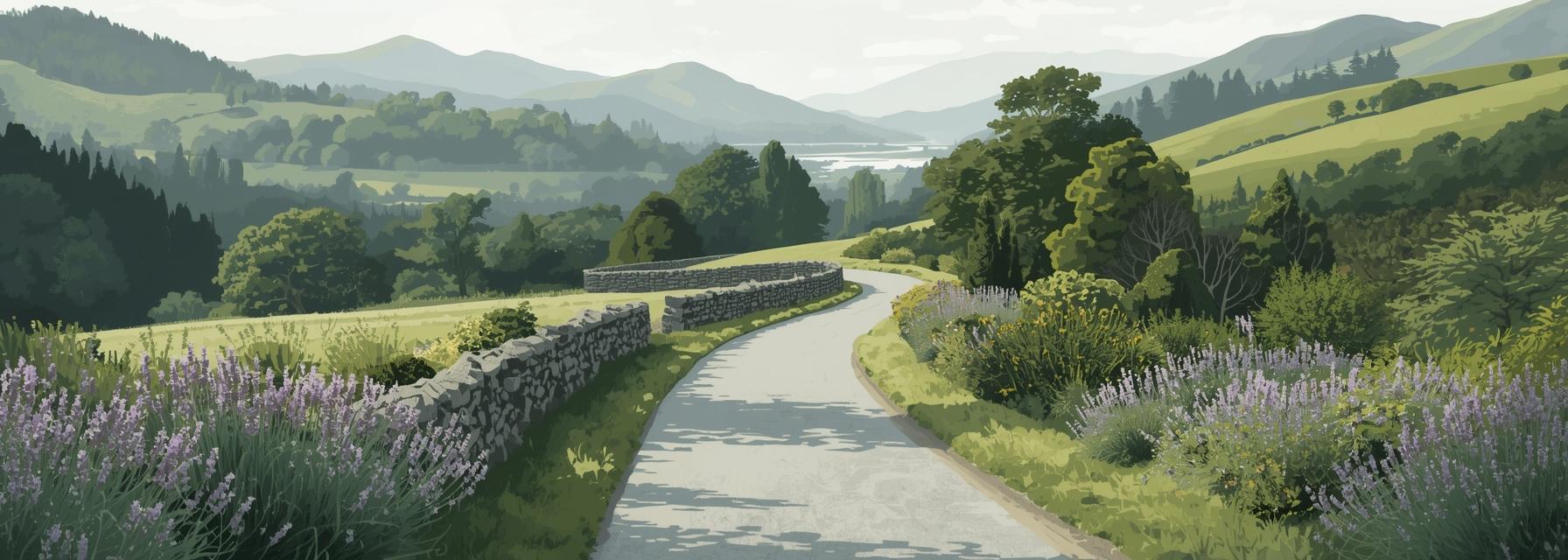
Drive times are modest: Castle Kennedy, Logan Botanic Garden and Glenwhan are all within a 30-minute drive of Stranraer; Threave lies 30 minutes northeast near Castle Douglas. Suggested single-day itineraries include a Stranraer coastal loop visiting Logan and Castle Kennedy, or a walled-garden circuit that pairs Threave with nearby smaller historic estates. A two-day break allows time for Glenwhan and two further private gardens, while a four- to five-day loop makes space for nature reserves, the Galloway Forest Park and slower botanical study.
Best months are April through October. April and May bring spring bulbs and magnolia blooms; June and July offer peak herbaceous borders and subtropical foliage; September highlights late-summer colour and seedheads. Winter opens fewer gardens, but off-season visits sometimes include guided conservatory tours and winter pruning demonstrations. Check estate websites for exact opening days and advance booking for managed properties.
Highlights and estate comparisons
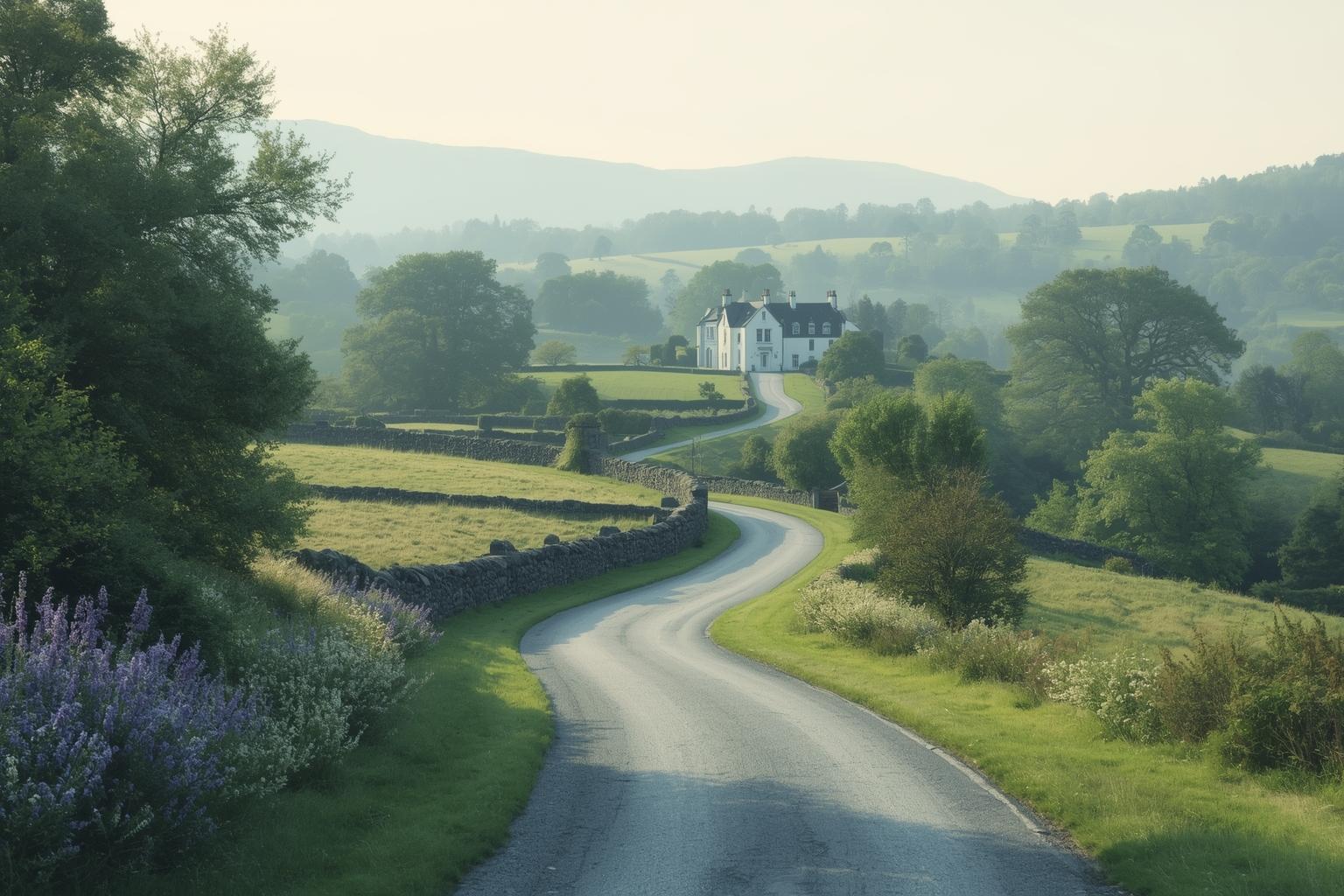
The following shows core attractions, typical seasonal peaks and practical visitor notes to help plan visits.
| Estate or Garden | Key features and collections | Typical peak months |
|---|---|---|
| Threave Estate | Walled garden, riverside woodlands, traditional plantings and a wildlife reserve adjacent | May–September |
| Logan Botanic Garden | Subtropical plantings, tree ferns, rare tender species, coastal exposure | May–September |
| Castle Kennedy Gardens | Formal terraces, rhododendrons, lochs and specimen trees | April–June, September |
| Glenwhan Gardens | Sculptural topiary, follies, modern plantings and varied microclimates | May–September |
| Lesser-known estates | Historic walled kitchen gardens and Victorian borders on small estates | April–October |
Use this comparison to sequence visits by proximity, seasonal interest and accessibility. Many gardens offer plant sales at peak season; bring euro-sized or reusable plant-transport containers for purchases.
Plantings, designed landscapes and architectural features
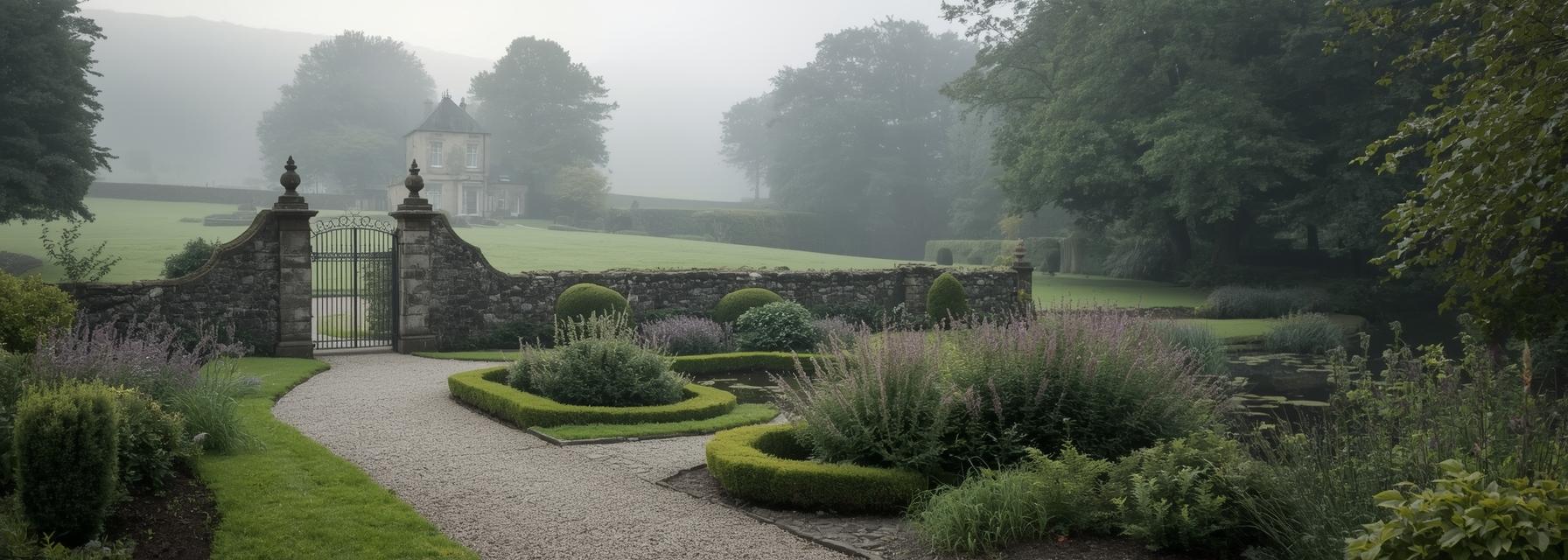
Galloway estates present a tapestry of planting styles. Walled kitchen gardens, once the engine room of estate life, frequently house heritage vegetables, trained fruit espaliers and restored glasshouses. Victorian beds still show mixed borders and dramatic mass plantings of phlox, delphinium and lupin. Subtropical corners in Logan reveal tree ferns, Gunnera and tender palms thriving thanks to maritime climate.
Architectural interest appears as estate houses with classical facades, garden pavilions, Gothic follies and ornate glasshouses. Water features range from formal reflecting pools to lochside plantings that create repeated views along designed axes. Pay attention to sightlines from terraces, the use of borrowed landscape and the placement of specimen trees that act as season-long focal points.
Wildlife value is high. Gardens sit within larger estate habitats: wet meadows, ancient woodland and coastal scrub support breeding waders, otter along rivers, and moth and butterfly assemblages tied to garden plantings. Several estates participate in conservation projects for native flora and monitor pollinator activity as part of long-term management.
Visitor facilities, events and practical information
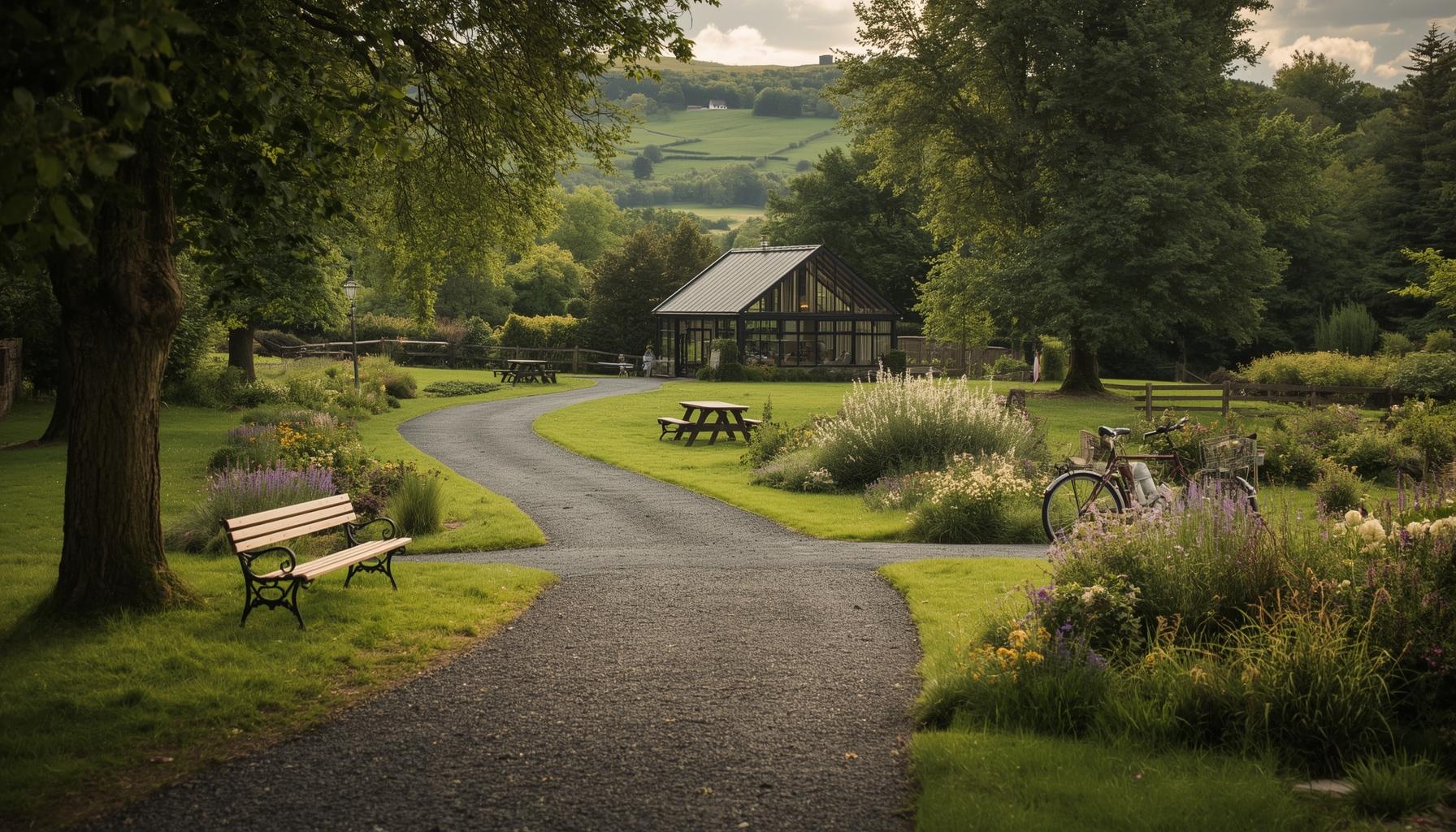
Most principal gardens maintain tearooms or nearby cafés that source local produce such as Ayrshire cheeses, Galloway beef and seasonal preserves. Pick a sheltered picnic spot by a loch or a formal terrace on fair weather days. Accommodation ranges from small B&Bs in Castle Douglas and Stranraer to self-catering cottages on estate fringes; some properties offer on-site camping during summer events.
Guided walks, seasonal workshops and expert talks are frequent between April and September. Families will find sculpture trails and discovery packs at several gardens; uneven ground and steps are common, so check individual accessibility statements. Many estates offer volunteer programmes for gardening and conservation; those wishing to help should contact estates directly for times, training requirements and any membership benefits.
For visitors without a car, regional bus services link Stranraer and Castle Douglas but services are infrequent; cycle routes offer scenic access for confident cyclists along quiet country lanes. Digital mapping, official estate pages and regional tourism apps provide up-to-date opening times, ticketing and seasonal highlights. Bring waterproof footwear, layered clothing for changeable coastal weather and a notebook for plant names and provenance. Basic safety includes staying on marked paths, supervising children around water and respecting private areas.
Practical steps to support the gardens include purchasing plants and local produce, joining membership schemes where available, or taking part in volunteer days and fundraising events. For deeper study, consult Royal Botanic Garden Edinburgh resources for plant records and the National Trust for Scotland for conservation reports.
Further contacts, membership links and recommended reading appear on each garden’s official site. Advance planning maximizes time on this compact route where botanical richness, historic landscapes and coastal drama combine to create a varied and rewarding horticultural journey.
Garden Info
Javascript is required to view this map.
Telephone:
01776 702 024 / 01581 400 225
Email:
Opening times:
Open weekends:
Feb, Mar & Oct, 10am-5pm
Open daily:
Apr-Sep, 10am-5pm
Admission:
Adults £5.50, Concs £4.50, children £2.00, Family £12.00
Location:
Three miles east of Stranraer on the A75. The entrance is clearly signed at the village of Castle Kennedy
Address:
Castle Kennedy, Stranraer DG9 8SJ
